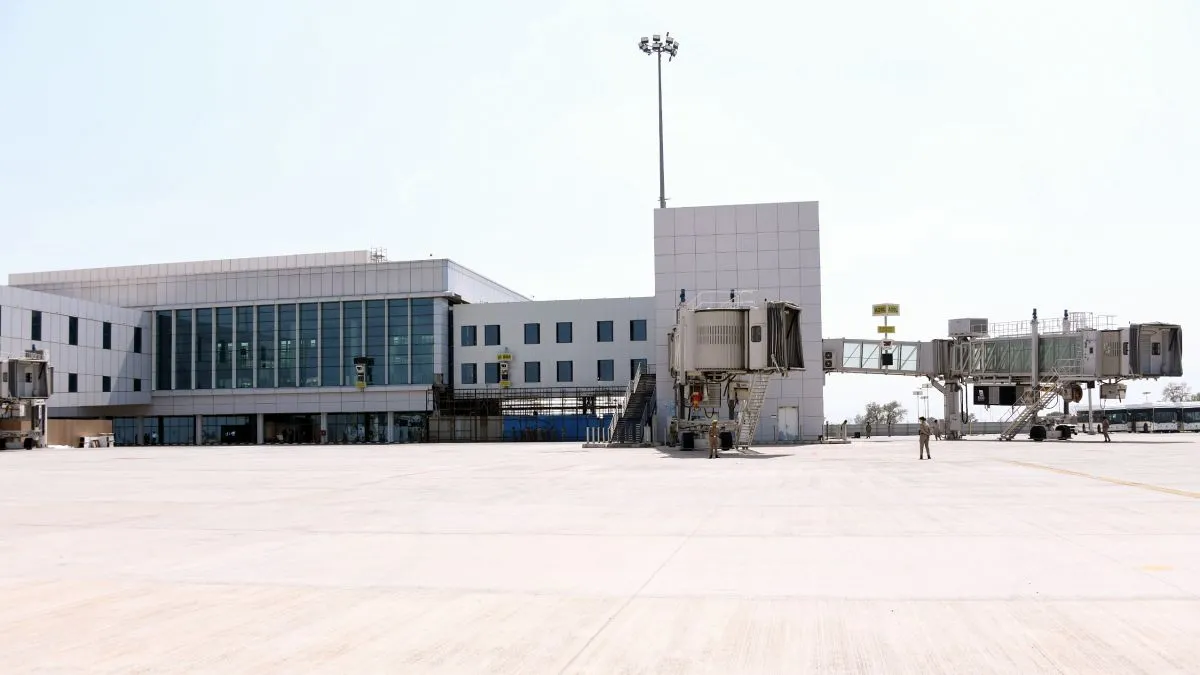
The transit map in Ghaziabad is about to expand in a big way. The GDA just proposed a 16-km metro corridor to help unclog the region’s roads. The plan focuses on linking Vaishali directly to Gokulpuri in Northeast Delhi. A standout feature is the corridor’s connection to the Hindon Civil Terminal. This provides the first rapid transit option for anyone heading to the regional airport. For local commuters, this project is a total game-changer that turns slow, traffic-heavy drives into quick and easy commutes.
Significant Connectivity via the 16-km Metro Link to Delhi
The 16-km metro link to Delhi is designed to bridge the gap between busy Ghaziabad neighbourhoods and the national capital. The GDA has already asked the Delhi Metro Rail Corporation (DMRC) to draft a Detailed Project Report (DPR). This corridor is expected to host seven strategic stations along its path. Key stops will likely include Vaishali, Sahibabad, Mohan Nagar, and the Hindon Civil Terminal.
By connecting the Blue Line at Vaishali with the Pink Line at Gokulpuri, the project creates a vital transit loop. It will serve dense residential clusters that currently struggle with congested roads and few travel options. This integration also helps air passengers reach the airport without battling city gridlock. It effectively makes Hindon Airport a much more convenient choice for regional flights compared to the busy IGI Airport.
Technical and Financial Overview of the 16-km Metro Link to Delhi
It takes high-level engineering and a deep budget to build a 16-km corridor like this one. The estimated cost sits at nearly Rs 300 crore for every kilometre constructed. Because Trans-Hindon Ghaziabad is so densely packed, the project focuses on elevated tracks to clear the local geography.
|
Feature |
Project Details |
|
Total Distance |
16 Kilometers |
|
Route Alignment |
Vaishali (Blue Line) to Gokulpuri (Pink Line) |
|
Major Transit Hub |
Hindon Civil Terminal (Airport) |
|
Expected Stations |
7 Stations |
|
Key Localities |
Indirapuram, Vasundhara, Sahibabad |
Real Estate Impact of the 16-km Metro Link to Delhi
New infrastructure almost always sparks a major jump in the local housing market. Since the proposal for the 16-km metro link to Delhi was announced, interest in surrounding properties has climbed. Investors are looking closely at areas that will sit near the new stations. Many young professionals are now actively hunting for flats in Indirapuram to take advantage of the faster connection to Delhi.
The demand for residential plots in growing zones like Raj Nagar Extension and Sahibabad is also on the rise. Better transit makes these spots very attractive for long-term growth and higher resale values. We are also seeing a clear trend of buyers looking for modern flats in Vasundhara, where prices will likely rise once the first brick is laid. Whether you want premium flats in Vaishali or investment plots near the airport, this entire corridor is becoming a top real estate choice.
Future Outlook and Regional Growth
Once the DPR is all set, the next big step is getting the money and the official okay. This new metro line is a huge part of the plan to fix up Ghaziabad’s old roads and rails. It’s also great for the air, as it gives people a good reason to stop driving everywhere. But it’s not just about the commute; this project will also help local businesses grow and create plenty of new jobs for the community.
Conclusion on Ghaziabad Metro Link via Hindon Airport
Authorisation of the 16-km Ghaziabad metro link is a defining moment for the city. It underscores a clear governmental move to modernise suburban life and improve NCR connectivity. This massive financial injection will likely spark local business and reshape the city’s geography. Very soon, the time of being trapped in heavy traffic will end. This metro extension is the fundamental piece for a more connected and vibrant Ghaziabad.