The Maharashtra government on Tuesday signed memorandums of understanding (MoUs) with four companies to attract investments worth Rs 6.5 lakh crore in the nuclear energy sector, in a move expected to significantly expand the state’s clean baseload power capacity and generate large-scale employment, as per media reports.
The agreements were signed with NTPC Ltd, Adani Power Ltd, Reliance Industries Ltd and Lalitpur Power Generation Company Ltd, with the projects collectively expected to generate 25,400 MW of power capacity and create nearly 1,23,500 jobs, according to the state government.
Maharashtra Pushes Nuclear Expansion With Rs 6.5 Lakh Crore Investment Plan
The proposed investments are aimed at strengthening Maharashtra’s long-term energy security while supporting the state’s growing industrial and electricity demand. Nuclear energy is increasingly being viewed as a reliable source of round-the-clock clean power to complement renewable energy expansion and improve grid stability.
Among the major investments, Reliance Industries will invest Rs 2 lakh crore to develop 7,200 MW of nuclear power capacity, a project expected to generate more than one lakh jobs, making it the largest employment contributor among the proposed projects.
Adani Power will invest Rs 1.5 lakh crore to establish projects with a combined capacity of 6,000 MW, which are expected to create around 12,000 direct and indirect jobs. State-run power major NTPC plans to invest Rs 1 lakh crore to develop 7,200 MW of nuclear power capacity, generating nearly 5,000 jobs, according to the state government.
Meanwhile, Lalitpur Power Generation Company Ltd, part of the Bajaj Group, will invest Rs 2 lakh crore to build 5,000 MW of capacity, with around 3,000 jobs expected to be created.
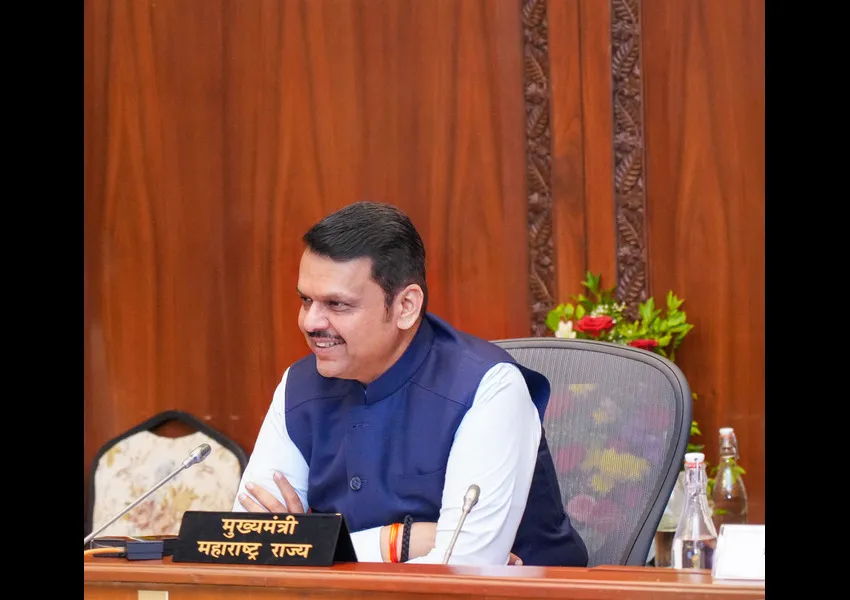
Maharashtra Chief Minister Devendra Fadnavis said the proposed investments are expected to strengthen the state’s power generation capacity, create substantial employment opportunities and reinforce Maharashtra’s position as a leader in clean energy development.
The development comes at a time when India is increasingly looking at nuclear energy to meet rising power demand while advancing decarbonisation goals and reducing dependence on fossil fuels.