The Uttar Pradesh government has approved a ₹50 crore subsidy to promote the adoption of electric vehicles (EVs) in the state, in a move aimed at encouraging cleaner mobility and reducing fuel consumption.
The funds will be allocated to the Transport Department, which will provide direct financial incentives to buyers of electric vehicles under the scheme. While the department had initially sought ₹100 crore, the government has approved ₹50 crore in the first phase
Special Secretary KP Singh has issued directions to the Transport Commissioner regarding the implementation of the subsidy programme. Officials said the amount would be used exclusively to provide incentives for EV purchases.
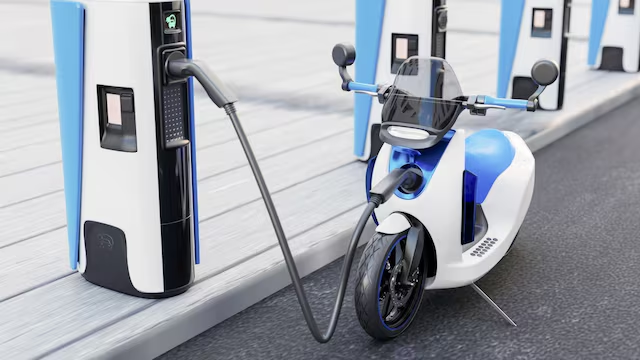
The government expects the subsidy to make electric scooters, motorcycles and cars more affordable, encouraging consumers to shift away from petrol and diesel vehicles.
Authorities also believe the initiative will help reduce air pollution and household fuel expenses, while supporting the growth of the state’s EV ecosystem, including charging infrastructure.
The move is part of a broader push by Uttar Pradesh to accelerate electric vehicle adoption and curb fuel demand through policy measures and incentives.
Earlier this month, on May 11, the state invited proposals to extend exemptions on road tax and registration fees for electric vehicles and public transport vehicles for the next 12 months to promote cleaner mobility options.
As part of the wider initiative, authorities have also been directed to increase bus service frequency during peak hours to reduce dependence on private vehicles. In offices employing more than 500 people, the Transport Department and UPSRTC will jointly operate special bus services for employees to ease congestion, lower fuel consumption and encourage public transport use.
States step up EV push
The Odisha government has mandated the use of electric vehicles for official purposes from June 1 as part of efforts to reduce fuel consumption and cut departmental expenses.
Under the directive, all new two-wheelers and four-wheelers procured by government departments must be electric, while rented official four-wheelers must also be EVs unless exemptions are granted.
Similarly, the Haryana Cabinet on May 18 approved rules for aggregator licences, making it mandatory for vehicles inducted by aggregators, delivery service providers and e-commerce firms in NCR areas to operate on CNG, electric, battery-operated or other cleaner fuels.
The move is aimed at accelerating the transition towards cleaner mobility and reducing dependence on conventional fuels.