Dilip Buildcon Ltd (DBL), the Bhopal-based infrastructure company that built its reputation on roads, is making a major strategic shift towards energy infrastructure, planning to invest around ₹15,000 crore over the next two to three years across renewable energy, power transmission and oil and gas pipelines.
The move marks a significant diversification for the company, which has traditionally been identified with road construction and has also established a presence in water and irrigation infrastructure.
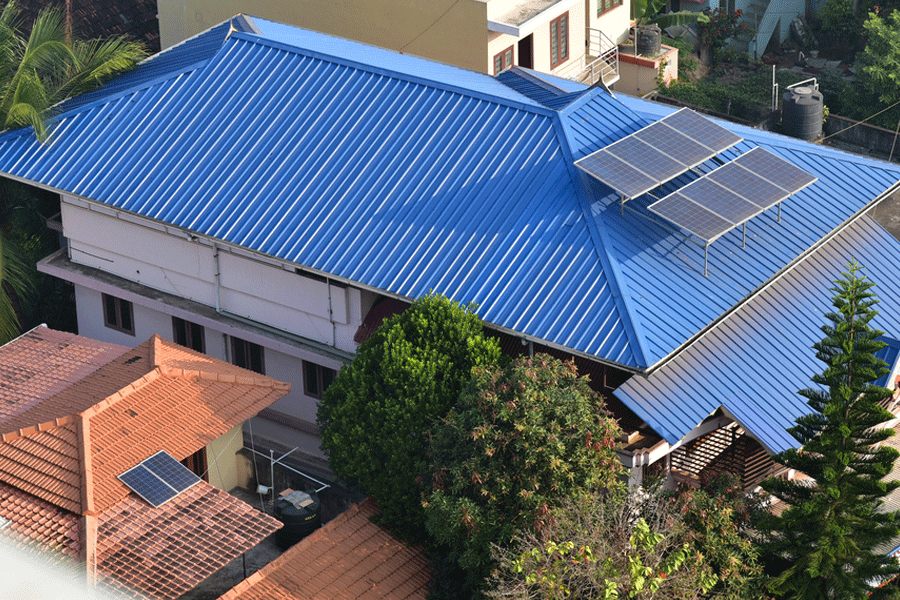
Madhya Pradesh will be at the centre of this expansion. Of the proposed ₹15,000 crore investment, around ₹6,572 crore is expected to be invested in solar power projects in the state. DBL plans to develop two projects that together will add nearly 2 GW of solar generation capacity. Its solar investments are expected to support the availability of daytime power for farmers, while clean energy is also proposed to support the state’s drinking water infrastructure.
The company expects the projects across its new energy portfolio to generate approximately ₹68,000 crore in revenue over their lifetime, underlining the scale of the transition from its traditional construction-led business towards long-term infrastructure assets.
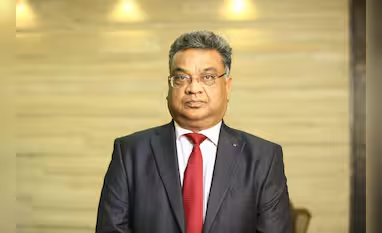
Dilip Suryavanshi, chairman and managing director of Dilip Buildcon Ltd, said, “DBL 2.0 is focused on building a more diversified and sustainable business model, with a deliberate shift towards asset-backed and long-term businesses alongside our EPC operations. As we scale our investments across these businesses, we expect the asset-led and mining business portfolio to contribute around 75% of our profits by FY29. This transition will strengthen the quality and visibility of our earnings, while creating a more resilient platform for long-term growth.”DBL was founded in Bhopal and built much of its early business around road infrastructure connecting different parts of Madhya Pradesh. The strategy places DBL in three of the country’s expanding energy infrastructure segments: renewable energy, electricity transmission and oil and gas pipelines. The diversification could also create opportunities for associated suppliers, contractors and service providers as the projects are developed.