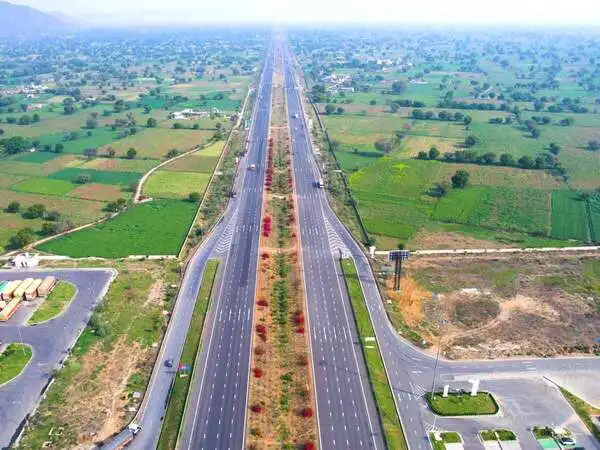
India’s highways are about to get greener and more useful. The National Highways Authority of India (NHAI) has started a new plan called ‘Arogya Van’, where medicinal trees will be planted on empty land along national highways
This is not just a regular plantation. The idea is to grow trees that actually have health benefits and are used in Ayurveda and daily life.
What is the Arogya Van scheme by NHAI?
Under this plan, NHAI will use vacant land near highways and turn it into green patches filled with medicinal plants.
Here’s a breakdown for you:
|
Detail |
Information |
|
Scheme Name |
Arogya Van |
|
Launched by |
NHAI |
|
Total land (Phase 1) |
62.8 hectares |
|
Total trees planned |
67,000+ |
|
Number of sites |
17 locations |
|
Total future land identified |
188 hectares |
|
Best planting time |
Monsoon season |
The plantations will happen across multiple states like Haryana, Delhi-NCR, Madhya Pradesh, Gujarat, Tamil Nadu and more.
What Trees Will Be Planted Under Arogya Van
The trees selected are not random. These are common Indian species with known benefits.
Examples include:
-
Neem
-
Amla
-
Jamun
-
Imli
-
Lemon
They are being planted based on climate suitability, which increases survival rate and long-term growth.
For a regular traveller, this means better surroundings. For a homebuyer, it means something more important.
Which Areas in Delhi-NCR Could See Impact First?
This is where most reports stop, but this is what actually matters.
Since plantation is planned near highways and major junctions, the first visible impact may come in areas like:
-
Gurugram sectors along NH corridors
-
Faridabad stretches near major express routes
-
Noida and Greater Noida peripheral zones
These are already growing areas, but often face issues like dust, heat and harsh road conditions.
With planned greenery, these pockets can become slightly more comfortable for living over time.
What This Means for Property in Delhi-NCR
For anyone tracking property in Delhi-NCR, this is not a headline change, but it is a meaningful one.
1. Better living conditions near highways
Green buffers can:
-
Reduce dust spread
-
Improve visual appeal
-
Make surroundings less harsh
2. Changing perception of highway-facing projects
Earlier, buyers avoided homes right next to highways. Over time:
-
These locations may feel more balanced
-
Demand may slowly shift towards them
3. Support for upcoming and affordable areas
Peripheral zones usually depend on infrastructure growth. When greenery is added along with roads:
-
It improves overall image
-
Helps in long-term demand
This can support interest in flats in Delhi-NCR, especially in areas where pricing is still reasonable.
Should Buyers And Investors Pay Attention To This?
Yes, but with the right expectation.
This alone will not increase property prices overnight. But real estate rarely works like that.
Value builds when multiple things come together:
-
Roads and connectivity
-
Infrastructure upgrades
-
Environmental improvements
This project fits into that third part, which is often ignored but very important for livability.
What Happens Next?
NHAI has already identified around 188 hectares of land for future plantation.
The work will mainly happen during monsoon because plants survive better and require less maintenance.
If execution is proper, more such green stretches can come up across highways in the next few years.
NHAI Arogya Van plan: Final Takeaway
The Arogya Van plan is more than just planting trees.
It is about:
-
Using empty highway land smartly
-
Improving travel environment
-
Slowly enhancing nearby residential areas
For buyers looking at property in Delhi-NCR, this is one of those small but important developments that can shape how a location feels in the future. And in real estate, how a place feels often matters as much as connectivity.