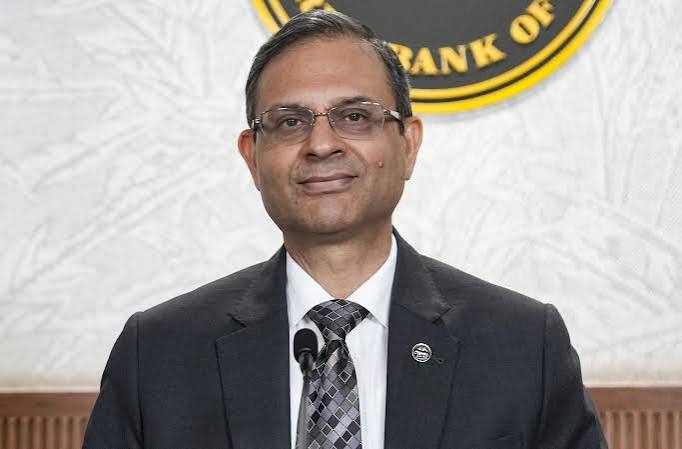
India’s central bank and the government on June 5 announced a slew of measures to widen access for foreign investors, improve post-tax returns on government securities, and ease the cost of raising foreign currency funds.
What RBI announced
The Reserve Bank of India introduced a series of operational and facilitative measures to encourage foreign currency inflows and reduce funding frictions for external borrowing.
The RBI extended support for hedging costs on FCNR(B) deposits,
a move designed to encourage banks to mobilise more foreign currency deposits from non-resident Indians by making such deposits more cost-efficient and attractive. It also extended the concessional forex swap window for public sector external commercial borrowings (ECBs) until September 30, 2026, enabling state-linked entities to access foreign currency funding at more stable and predictable hedging costs.
By offering the swap at a concessional or a subsidized rate, the central bank absorbs some of the hedging or borrowing cost that institutions would normally pay in the open market.
In addition, the central bank continued its efforts to strengthen foreign currency inflows through the banking channel by maintaining supportive conditions for external liability management, thereby improving the flow of overseas funds into the domestic system.
What government did
The government issued an ordinance on June 5, along with accompanying policy changes aimed at structurally widening access to India’s financial markets and improving the attractiveness of government securities for global investors.
A key reform was the expansion of the Fully Accessible Route (FAR) to include all new 15-year, 30-year, and 40-year government securities, thereby opening the longer end of the sovereign yield curve to foreign investors and strengthening India’s integration with global bond indices.
The government also removed investment concentration limits on foreign portfolio investors (FPIs) under the general route, allowing larger and more flexible position building in Indian securities.
By offering a broader variety of long term bonds and removing investment concentration limits, RBI is targeting permanent institutional capital like global pension funds directly into India’s debt market and creating a sustained demand for the rupee.
It further increased investment limits for NRIs and OCIs in listed equities, including easing access even for those not registered with SEBI, broadening the base of non-resident participation in Indian markets.
In a significant incentive boost, the government also exempted interest and capital gains on government securities earned by foreign portfolio investors from taxation, improving post-tax returns on Indian sovereign debt and enhancing its attractiveness in global investment portfolios.
Timelines for export remittance were also tightened by restoring the export proceeds realisation period to 9 months from 15 months, thereby accelerating the inflow of foreign exchange earnings into India and
improving near-term dollar liquidity conditions.
The rupee connection
The combined policy package is aimed at increasing the flow of foreign capital into India through bonds, deposits, and equities, which requires conversion of foreign currency into rupees and thereby supports demand for the domestic currency.
This mechanism helps improve financing conditions for India’s current account deficit while reducing pressure on the external value of the rupee.
Experts note that these measures have already contributed to improved sentiment, with the rupee strengthening to around 95.38 per US dollar from 95.62 in the previous session, reflecting expectations of stronger inflows and more stable external financing conditions.