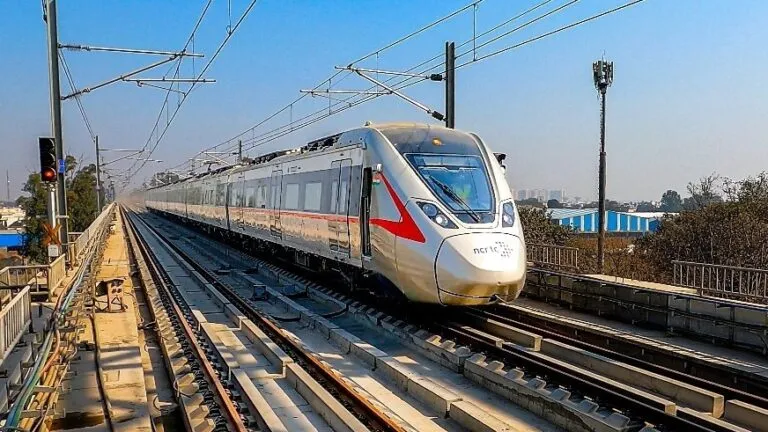
India’s daily commute is set for a big reset. The bullet train in India has moved past brochures and policy papers. On the Mumbai-Ahmedabad stretch, pillars are up, viaducts are taking shape, and track laying has started in parts of Gujarat. For families and investors, the bullet train project India is not just about faster travel. It is about how far one can live from a metro and still reach the office on time.
Bullet Train Projects in India
So, how many bullet trains in India are planned? Right now, 7 bullet train projects in India show up in the National Rail Plan. One is being built. Three have Detailed Project Reports cleared. Three are still being surveyed. Together they form the early bullet train in India map.
7 Upcoming Bullet Trains in India: Table of Facts
| Route of Bullet Train in India | Distance | Status in 2026 | Expected Launch | Main Cities on Line |
| Mumbai-Ahmedabad | 508 km | Under construction | 2026-2028 in phases | Mumbai, Thane, Vapi, Surat, Vadodara, Ahmedabad |
| Delhi-Varanasi | 865 km | DPR cleared | Around 2031 | Delhi, Noida, Agra, Kanpur, Lucknow, Varanasi |
| Delhi-Ahmedabad | 886 km | DPR cleared | Around 2032 | Delhi, Gurgaon, Jaipur, Udaipur, Ahmedabad |
| Mumbai-Nagpur | 753 km | DPR cleared | Around 2032 | Mumbai, Nashik, Aurangabad, Nagpur |
| Mumbai-Hyderabad | 709 km | DPR in progress | 2035 or later | Mumbai, Pune, Solapur, Hyderabad |
| Chennai-Bengaluru-Mysuru | 435 km | Survey done | 2034 or later | Chennai, Bengaluru, Mysuru |
| Varanasi-Howrah | 760 km | Survey on | 2035 or later | Varanasi, Patna, Gaya, Dhanbad, Kolkata |
Route of Bullet Trains in India
If you trace the bullet train in the India map, the plan connects the four metros and pulls in fast-growing Tier-2 cities. The western side joins Mumbai to Ahmedabad and will later run up to Delhi. The northern side aims to link Delhi with Varanasi through the UP industrial belt. Down south, Chennai to Mysuru via Bengaluru will shrink a 7-hour road trip to under 2 hours. Each route of bullet train in India was chosen to take the load off airports and highways while opening new job hubs.
Route Map of Bullet Trains in India
The map below shows the 7 upcoming bullet train routes in India. The 7 different colours show the 7 different routes.
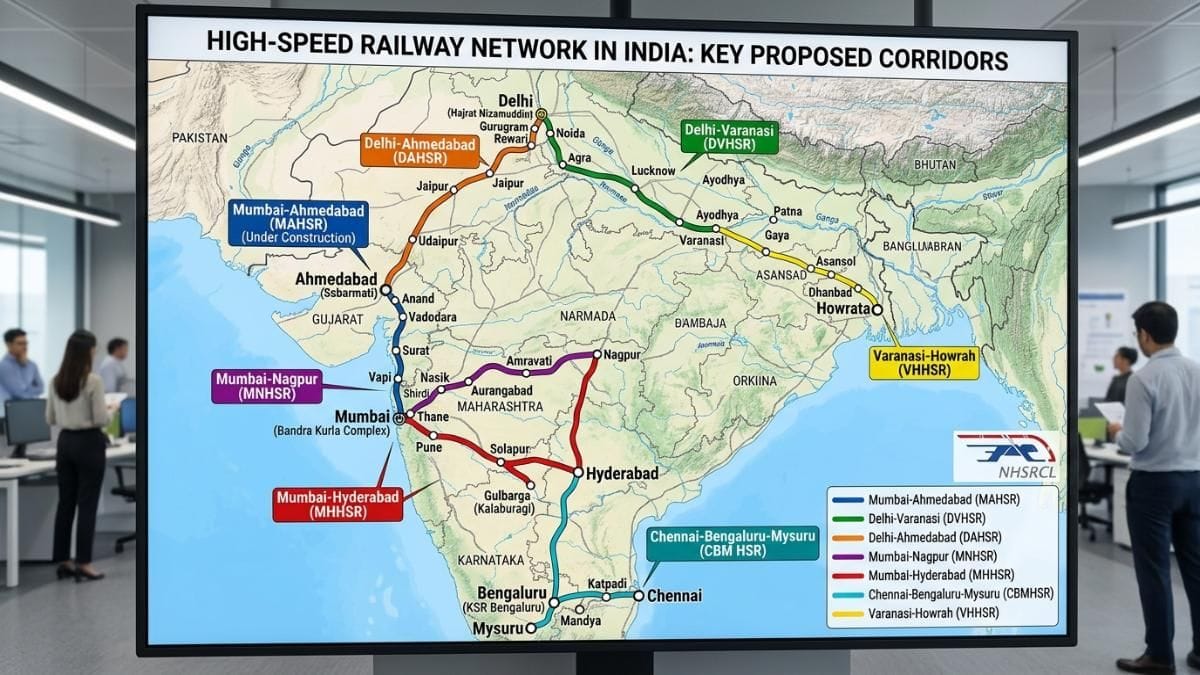
Upcoming bullet train in India route map highlighting key high-speed rail corridors linking Mumbai, Delhi, Ahmedabad, Chennai, Bengaluru, Hyderabad, and Varanasi.
Bullet Train in India Progress: Current Status in 2026
On Mumbai-Ahmedabad, land is fully acquired in Gujarat and nearly done in Maharashtra. Over 150 km of viaduct is already launched. Sabarmati and Thane will host the main depots. The bullet train in India progress was slower in Mumbai earlier because of the undersea tunnel and city permissions, but work has picked up since 2024.
The other six corridors under the bullet train project India are still on paper. Delhi-Varanasi and Delhi-Ahmedabad have in-principle approvals and the final alignment is being locked. Most of these lines will stay elevated to reduce land use. If funds line up, work could begin by 2027-2028.
First Bullet Train in India: Current Status
The Mumbai-Ahmedabad line is the first bullet train in India. The 508-km alignment cuts through Maharashtra, Dadra & Nagar Haveli, and Gujarat. In June 2026, Gujarat’s section has most of its piers done and viaduct work is past 300 km. Track is being laid between Surat and Bilimora. The tricky part is the 21-km tunnel, including a 7-km undersea section near Thane, which is under construction now. Work on the bullet train in India is moving fast. A short stretch between Surat and Bilimora may open by late 2026. The full Mumbai–Ahmedabad line is expected to be ready by 2028. Each station will connect to local metro lines, bus stops, and taxi bays.
Speed of Bullet Train in India: What Changes on the Ground
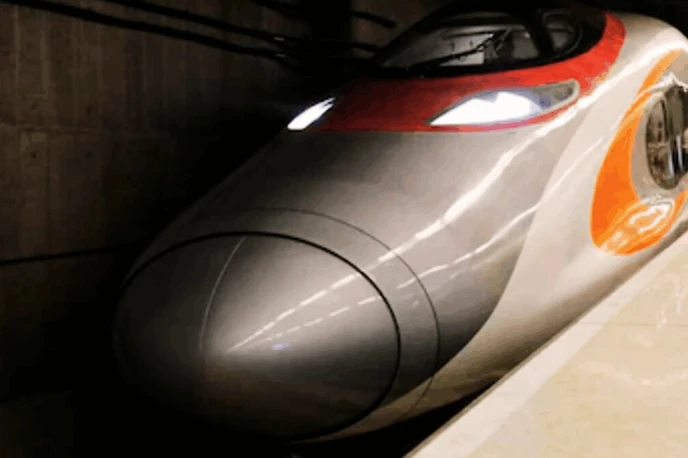
The first bullet train in India will use the Japanese Shinkansen E5 series. The speed of bullet train in India is designed for 350 km/h, with day-to-day running at 320 km/h. Mumbai to Ahmedabad will drop from 6-7 hours today to roughly 2 hours 7 minutes. That sort of time saving turns many small towns into real options for people working in big cities. Property agents in Vapi, Surat, and Anand have already started using that pitch.
Real Estate Impact of Bullet Trains in India: Where the Market Is Moving
Speed redefines distance. When the Delhi Metro reached Gurgaon and Noida, prices in those pockets doubled within a few years. A bullet train does the same, only quicker.
1. Land Near Stations
Plots within 2-3 km of a confirmed station have already climbed 25-40% since 2021. Surat, Vapi, and Anand are seeing new township ads that say “25 minutes to BKC by bullet train”.
2. New Commuter Bases
Until now, Boisar, Bharuch, and Anand were mainly industrial towns. With a station confirmed, builders are pitching them as budget housing for Mumbai and Ahmedabad professionals. Demand for flats near Vapi and properties near Bharuch will likely rise once dates firm up.
3. Commercial and Warehousing
Logistics and offices prefer places where staff can move fast. Areas near Surat and Vadodara stations are getting more enquiries. That brings rental demand with it.
4. Push for Tier-2 Cities
On the Delhi-Ahmedabad and Delhi-Varanasi lines, Jaipur, Udaipur, Agra, and Kanpur become “super-commutable” to Delhi. Early buyers are picking land near likely station zones in Jaipur and along the Lucknow-Kanpur belt.
5. The Price-Time Trade
A 2BHK in Mumbai can cost Rs 2.5 crore. The same in Boisar might be Rs 70-80 lakh. If the train does Boisar to BKC in 25 minutes, the math starts to make sense for many families.
Conclusion to Upcoming Bullet Trains in India
The bullet train in India completion date hinges on funding, civil work, and tech handover. Maharashtra’s delays showed how city sections take longer. Track bullet train in India progress every few months. Do not trust every project banner that claims “bullet train connectivity” without a clear station location. Also, noise norms mean setbacks from the viaduct, so not all land next to the line will gain the same way.
| Metro Rail in Cities of India | ||
| Bangalore Metro | Chennai Metro | Hyderabad Metro |
| Delhi Metro | Mumbai Metro | Kochi Metro |
| Pune Metro | Ahmedabad Metro | Kolkata Metro |