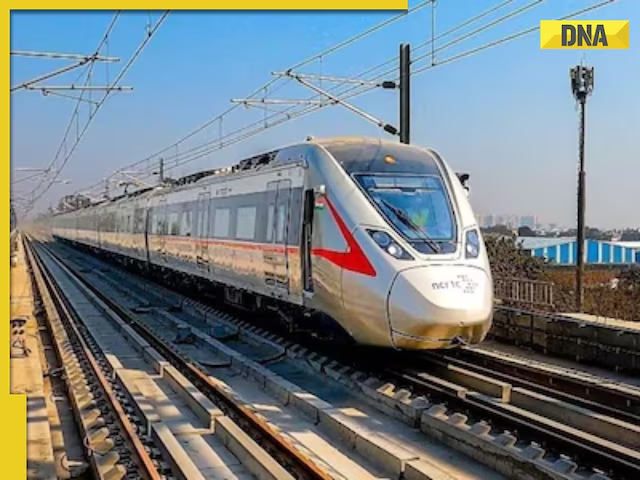
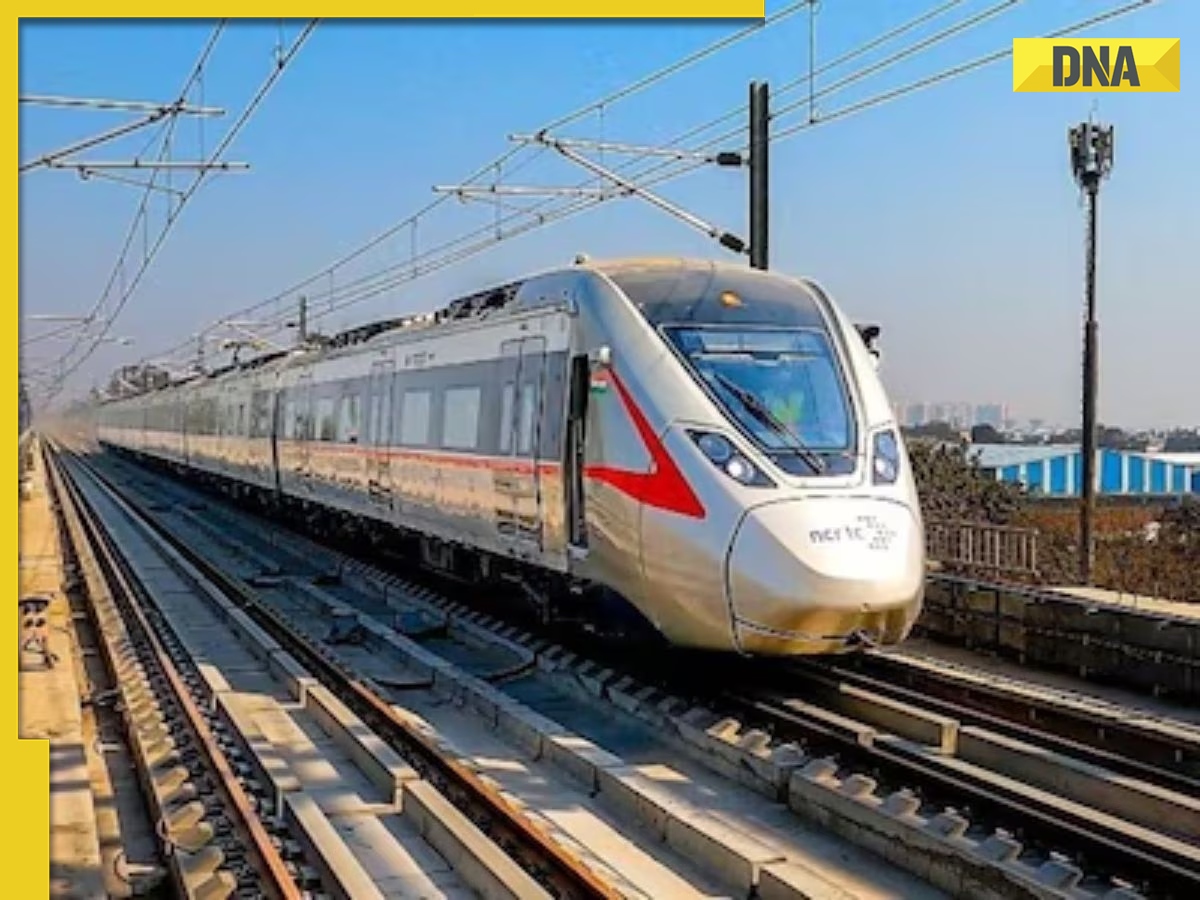
The Haryana government is planning to run metro trains on the proposed Namo Bharat train track from Gurugram to Greater Noida. The track will have eight stations in Gurugram and 10 stations in Faridabad. The Haryana Mass Rapid Transport Corporation (HMRTC) has recommended to the National Capital Region Transport Corporation (NCRTC) to include this change in the Detailed Project Report (DPR).
INDIA
Gurugram-Faridabad metro to run on Namo Bharat train track, 18 stations to be developed; check details here
The metro stations will be integrated with the Namo Bharat train at key locations, including Ifco Chowk, where a major interchange station is proposed.
)
Updated : Mar 15, 2026, 04:23 PM IST
 "Image source: Twitter")
The Haryana government is planning to run metro trains on the proposed Namo Bharat train track from Gurugram to Greater Noida. The track will have eight stations in Gurugram and 10 stations in Faridabad. The Haryana Mass Rapid Transport Corporation (HMRTC) has recommended to the National Capital Region Transport Corporation (NCRTC) to include this change in the Detailed Project Report (DPR).
Metro stations to be integrated with Namo Bharat Train
The metro stations will be integrated with the Namo Bharat train at key locations, including Ifco Chowk, where a major interchange station is proposed. The metro station at Ifco Chowk will also connect to the existing metro line. Other metro stations in Gurugram will be located at Sector-29, Millennium City Centre, Sector-52, Wajirabad, and Sector-57. An interchange station is planned at Sector-61, which will connect to the proposed metro line from Sector-56 to Pachgaon.
Metro to run on 16 km stretch in Faridabad
In Faridabad, the metro will run on a 16 km stretch of the Namo Bharat train track, starting from Sainik Colony to Badshahpur. The first metro station in Faridabad will be at Sainik Colony. The metro will provide connectivity to residents and commuters, reducing dependence on private vehicles and easing traffic congestion.
Noise barrier system to be seud
The Namo Bharat train is expected to generate significant noise pollution, given its speed of 160-180 kmph. To mitigate this, the HMRTC has requested the NCRTC to use a noise barrier system, particularly in densely populated areas. The noise barrier system will help reduce the impact of noise pollution on residents living near the track