The National Highways Authority of India has announced a structural shift in tolling infrastructure, making Multi-Lane Free-Flow tolling mandatory for all future national highway projects.
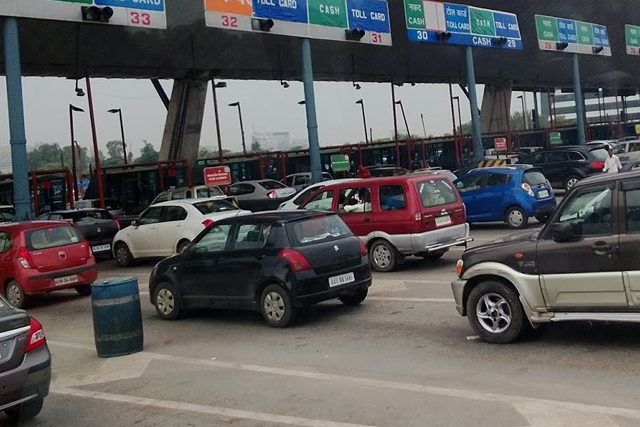
Under the new directive, toll plazas are capped at a maximum of eight lanes, a sharp reduction from previous designs that often included layouts with up to 32 lanes on high-traffic routes.
The authority is moving away from constructing large, land-intensive physical toll plazas in favour of the MLFF system, which relies on overhead gantries equipped with Radio Frequency Identification readers and Automatic Number Plate Recognition cameras.
This technology eliminates the need for multiple tolling lanes and booths, allowing vehicles to pass through at highway speeds without stopping or slowing down at traditional toll barriers.
The directive applies immediately to all upcoming projects, whilst those already awarded but yet to start construction on toll plazas must adjust their plans to comply with the new standards.
Projects still in the DPR phase will incorporate the new layout in their bidding documents. NHAI has instructed all regional officers, project implementation units, and consultants to implement these provisions in upcoming and ongoing projects as applicable.
From a financial perspective, this move addresses two major costs: land acquisition and maintenance. By shrinking the plaza footprint, NHAI expects to save significantly on upfront land costs.
The authority projects that operating costs for toll collection could drop from the current 12-15 per cent range to approximately three to four per cent under the new automated system, with each lane estimated to handle 600 vehicles per hour.