11 Sep 2025
With its status as an international financial hub, Hong Kong can raise funds from anywhere, says secretary general of Eastern Economic Corridor Office
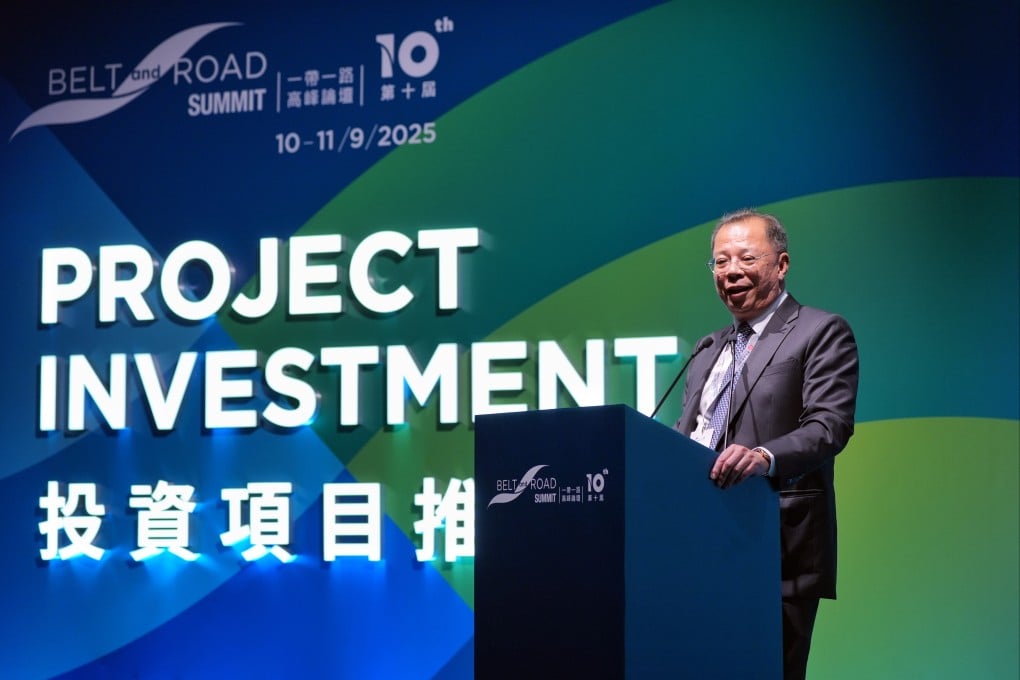
Thailand aims to use Hong Kong’s status as a global financial centre to raise funds for a new smart city in its flagship economic development zone, according to the head of the megaproject’s public agency.
The Eastern Economic Corridor is a key initiative of Thailand 4.0, a blueprint which aims to elevate the Southeast Asian nation from middle-income status by developing innovative and advanced industries.
Launched in 2017, the corridor spans three eastern provinces – Rayong, Chonburi and Chachoengsao. Its key projects include the 24 sq km (9.27 square miles) smart city intended to become one of Asia’s leading business-friendly urban hubs.
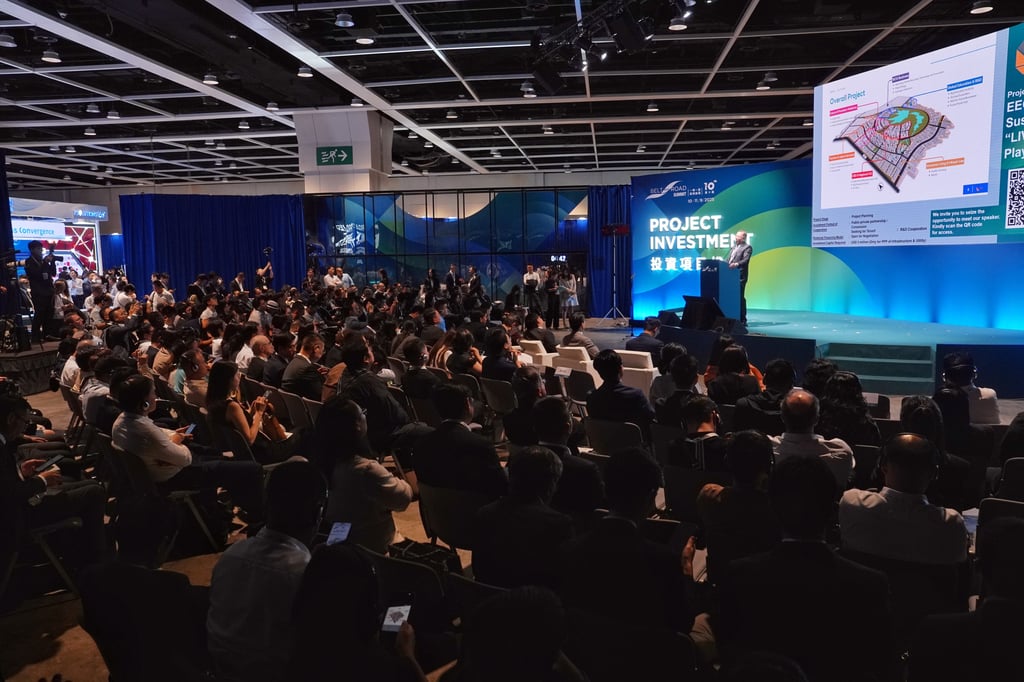
Speaking to the Post at the 10th Belt and Road Summit on Wednesday, Chula said that although the smart city remained in the “conceptual” stage, he hoped to leverage Hong Kong’s position as an international financial hub to secure funding for the project.
“This is the main thing we are interested in, because [Hong Kong] can raise funds from anywhere,” he said.
Hong Kong is already a key investor in the corridor, providing about US$2 billion between 2018 and 2024, making it the fourth-largest source of foreign investment, roughly equivalent to that of the United States.
Mainland China topped the list with US$8.9 billion, followed by Japan with US$6.3 billion and Singapore with US$4.2 billion.
Thailand is also a member of Beijing’s Belt and Road Initiative, an ongoing effort to link economies into a China-centred trade network, largely via Chinese-backed megaprojects abroad.
The initiative has faced criticism from some countries, mainly in the West, over allegations of luring developing countries into taking unsustainable loans.
Thai media outlets have also reported concerns that Chinese projects in the country are not doing enough to support locals.
But Chula dismissed such concerns, calling the initiative a “tool” whose effectiveness depended on a country’s ability to use it “properly”.
He pointed to the surge in Chinese EV companies that had set up factories within the corridor.
He said that while they initially brought in their own talent due to a lack of expertise in the local workforce, the factories were now employing about 7,000 Thai workers.
“It’s about investment [and] human resource development,” he said. “Two years ago, we did not have these jobs.”
But he added that the country needed to manage the amount of local production in those industries to prevent Thailand from becoming a “back door” for tariff avoidance.