6 Aug 2025
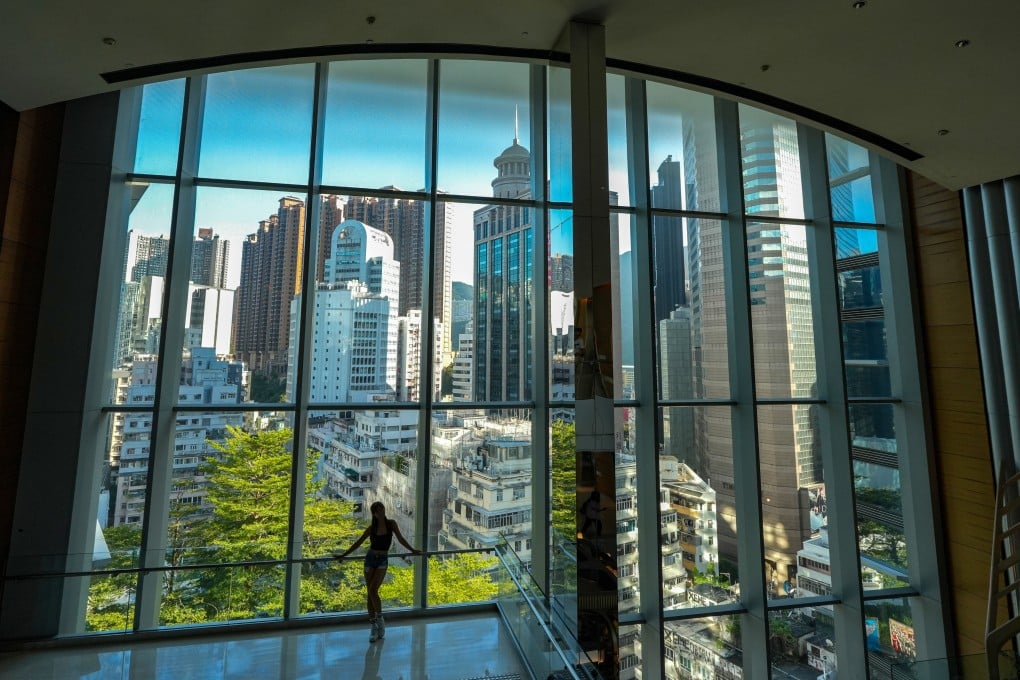
Hong Kong has ranked eighth globally in a smart cities index compiled by a local university, outperforming many of its peers in Asia, including Seoul and Singapore.
Polytechnic University published the International Society for Urban Informatics (ISUI) Smart City Index 2025 on Wednesday, with Hong Kong performing strongly in areas such as economy and governance, but struggling in infrastructure and other categories.
Hong Kong was the second-highest performing Asian city in the ranking at eighth place, with Tokyo the only location on the continent to outperform it at fifth.
Other Asian cities also performed well, including Seoul at 13th place, Beijing at 15th and Singapore at 21st.
Stockholm topped the chart, followed by Washington, Barcelona and London.
The index was designed by a team from the university’s Smart Cities Research Institute, with the ranking assessing 73 jurisdictions around the world across six categories, including economy, infrastructure and environment.
The index aims to look beyond the typical emphasis on purely technological or data-intensive views to gauge smart urban development, with the ranking focusing on the living experience of residents.
Researchers used publicly available data, including figures from official sources, international organisations and user-generated data, which was then consolidated using a set of academic weighting methods to reach a final score.
Sources included the United Nations Statistical Database, the QS World University Ranking and the Air Quality Open Data Platform.
Among the six areas, Hong Kong’s strongest performance was in the economy category at third place, just behind New York and Tokyo.
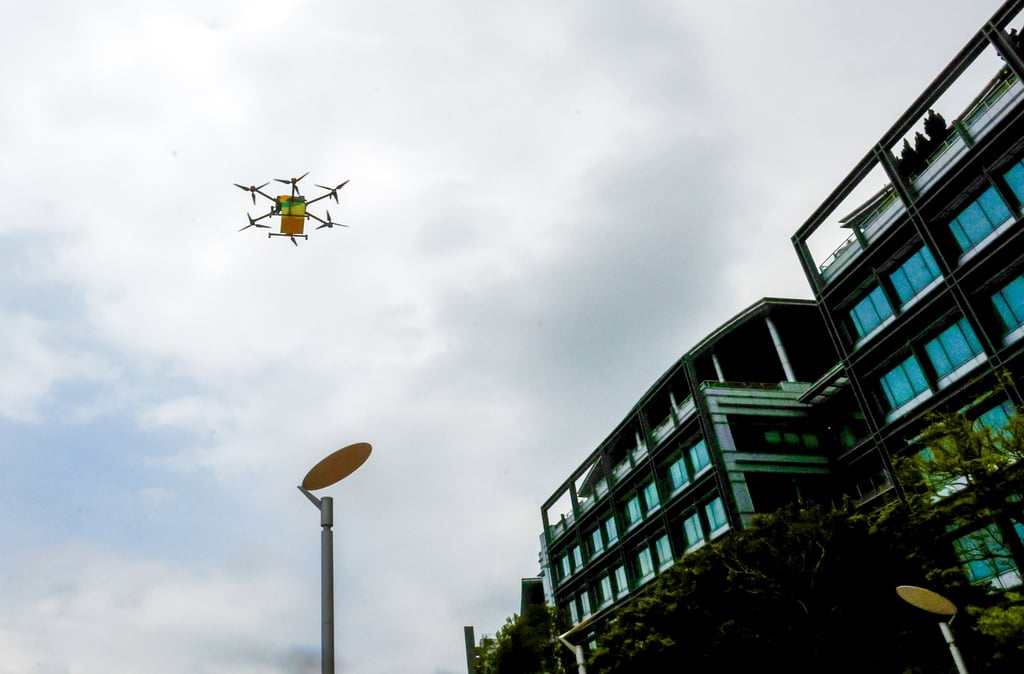
The city also appeared among the top 20 for environment, with the category considering areas such as urban environmental sustainability, and governance, which looks at how well government services align with public needs.
But Hong Kong failed to make the top 20 in terms of infrastructure, social landscape and “citizen”. The last category measures residents’ well-being.
Professor John Shi Wenzhong, director of the institute, said Hong Kong’s strong performance in the economic category could be attributed to factors such as its freedom of doing business and its position as an international financial centre.
Shi, who is also the president of the ISUI, said Hong Kong’s poorer performance in the infrastructure category was due it having comparatively fewer “active transport” facilities, such as cycling tracks and electric vehicle charging stations.
Despite government efforts to improve the housing situation, it also remained a key issue that brought down the city’s score, he said.
Hong Kong’s overall performance was slightly better than in 2023, when the last index was published, with the city ranked ninth. Researchers have adjusted their measurement framework since the 2023 ranking was released.
Fan Shi, a PhD student at the university’s department of land surveying and geo-informatics, who served as a research specialist on the index, said that among the categories that could be compared over the two years, Hong Kong showed the most improvement in governance.
She specifically highlighted the city’s integration of government services, such as through improvements made to the iAM Smart mobile app.