The Union Cabinet has approved six major infrastructure projects worth ₹8.8 lakh crore. Jal Jeevan Mission 2.0 receives the largest share at ₹8.69 lakh crore to expand rural tap water access. The package also includes railway expansion, a new highway corridor, and upgrading Madurai Airport to international status, aiming to drive economic growth and improve national connectivity
Projects
The Union Cabinet has approved six major infrastructure projects totaling around ₹8.8 lakh crore. This significant capital investment aims to boost national development and economic growth. The Jal Jeevan Mission 2.0 will receive the largest allocation of ₹8.69 lakh crore to further expand tap water access to rural homes. This builds on the success that has already connected over 15.80 crore rural households, reaching 81.61% of the goal. The mission’s updated plan involves reforms and a digital system called “Sujalam Bharat” to improve sustainability and efficiency.
Investment Strategy Aims for Broad Growth
This investment plan goes beyond water, showing a multi-faceted approach to development. The Jal Jeevan Mission 2.0, with central aid of ₹3.59 lakh crore, is key for rural development and public health. This fits with the national infrastructure plan, which seeks to close investment gaps. The infrastructure sector, worth an estimated USD 231 billion, is expected to grow further due to government efforts and urbanization. Large capital spending like this can create a strong economic impact, with studies suggesting it could add 2.5 to 3.5 times its value to GDP over time, boosting output and jobs.
Boosting Connectivity: Railways, Highways, and Airport Upgrades
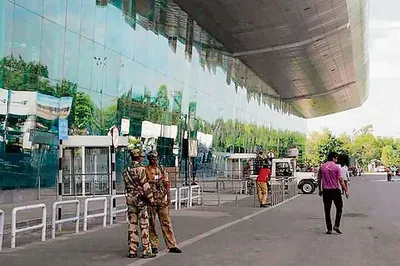
Railway infrastructure will also benefit from two approved projects worth ₹4,474 crore. These will add a fourth rail line on the Sainthia–Pakur and Santragachi–Kharagpur sections. These upgrades aim to increase capacity, efficiency, and reliability on these important routes, vital for moving goods like coal, cement, and food. A new 80.45 km, four-lane highway corridor (NH-752D) connecting Ujjain to the Delhi-Mumbai Expressway, costing ₹3,839.42 crore, is also approved. This road project should cut travel time, reduce logistics costs, and improve access to industrial areas. Madurai Airport will be upgraded to international status, expected to boost regional connections, trade, and tourism in southern Tamil Nadu by attracting more international visitors and business travelers.
Challenges Ahead: Execution and Funding Concerns
Despite the ambitious scale, several challenges could affect these projects. Completing ₹8.8 lakh crore worth of work depends on efficient execution, which has been difficult for past large development projects in India. Bureaucratic delays could lead to higher costs and missed deadlines. For the Jal Jeevan Mission, while reach has grown, ensuring water services function long-term is a concern. Reports indicate only 76% of household tap connections nationwide are currently functional, with issues in quality and maintenance. The financial side of these large projects also requires careful management. India’s public finances are improving, but they are still being watched closely. Government capital spending is set for 4.4% of GDP by FY27, but funding such large investments could strain budgets and keep national debt high. Reports of problems in managing the Jal Jeevan Mission also highlight the need for strict oversight and accountability to ensure funds are used properly.
Outlook: Growth Prospects and Government Support
Experts see India’s continued focus on infrastructure development favorably, forecasting strong growth for the sector. The Indian infrastructure market is forecast to reach about ₹25 lakh crore by 2030, with both public and private investment. The National Infrastructure Pipeline (NIP), targeting ₹111 lakh crore, is a main factor in this expansion. Morgan Stanley predicts India’s infrastructure investment will grow from 5.3% of GDP in FY24 to 6.5% by FY29. The current economic climate, with expected GDP growth around 6.5% and falling inflation, supports infrastructure investment. Lower interest rates globally and in India are anticipated, which could reduce borrowing costs for projects. The government’s efforts to improve connections, capacity, and competitiveness through plans like the PM Gati Shakti Master Plan should lower logistics costs and make trade more efficient. The FY27 budget allocates a record ₹12.2 trillion for infrastructure spending, an 8.8% rise. This shows ongoing government backing and an attractive climate for investors, with new opportunities in digital infrastructure and energy transition alongside traditional areas.