The Uttar Pradesh government has proposed a hybrid work framework allowing eligible employees to work remotely twice a week as part of a broader fuel conservation and austerity push following Prime Minister Narendra Modi’s recent appeal.
The work-from-home debate in India is no longer confined to corporate HR policy. It is rapidly becoming part of a larger conversation around fuel conservation, economic pressure and public infrastructure management.
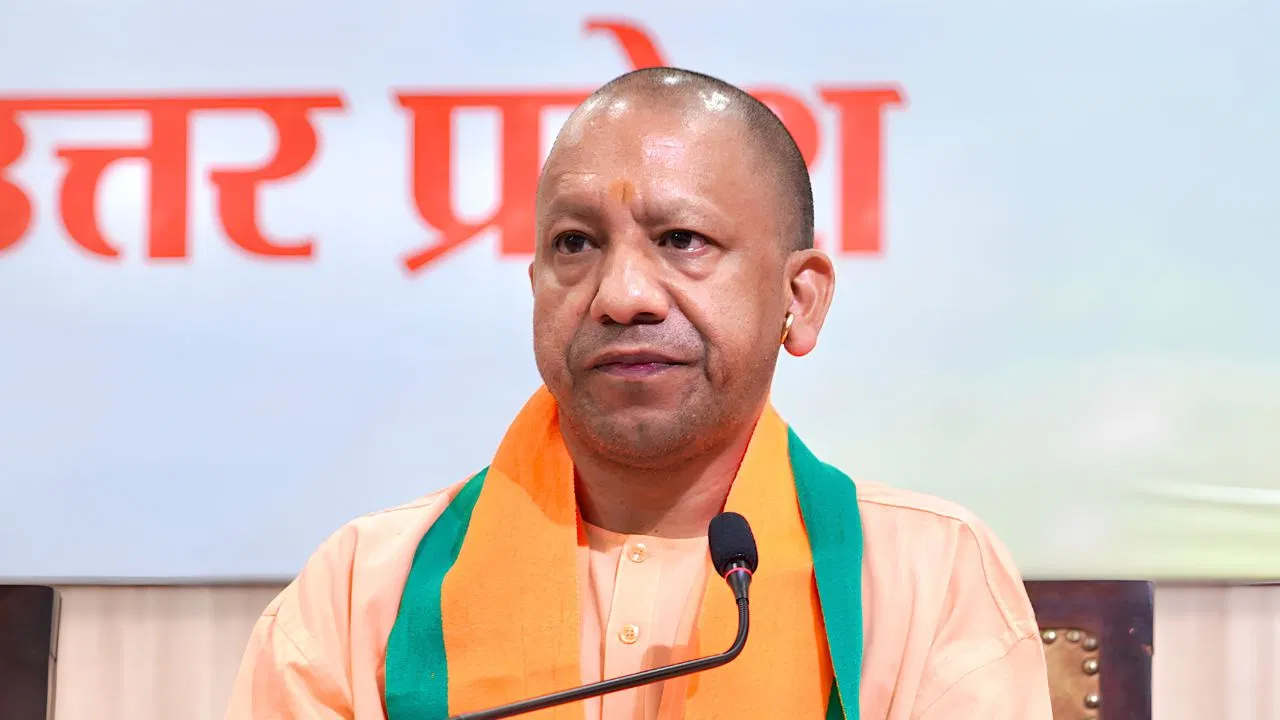
In one of the strongest policy signals yet, Uttar Pradesh Chief Minister Yogi Adityanath has proposed a two-day weekly work-from-home model for employees in large industrial units, IT companies and startups as part of a wider austerity and fuel-saving push.
According to a report by The Times of India, Adityanath directed officials to encourage industries and startups to adopt work-from-home systems and said the government may issue an advisory recommending remote work for two days a week in workplaces with large employee strength.
The proposal followed Prime Minister Narendra Modi’s recent appeal for reduced fuel consumption and economic restraint amid global uncertainty and rising energy concerns.
Remote work shifts from flexibility to fuel economics
The Uttar Pradesh government’s intervention marks a notable shift in how work from home is being discussed in India.
During the pandemic, remote work was primarily framed as a public health necessity. The current push is being driven by very different concerns:
- Fuel conservation
- Traffic congestion
- Urban infrastructure strain
- Public transport pressure
-
- Economic uncertainty
Adityanath’s directives extended well beyond workplace flexibility.
According to The Times of India, the chief minister ordered:
- A 50% reduction in official vehicle fleets used by ministers and bureaucrats
- Greater use of public transport by elected representatives
- Wider adoption of virtual meetings and online conferences
- Promotion of cycling, carpooling and electric vehicles
- Expansion of Metro and UPSRTC bus usage
He also proposed staggered office timings to reduce peak-hour congestion and directed that 50% of internal meetings in the State Secretariat and directorates should be conducted virtually wherever possible.