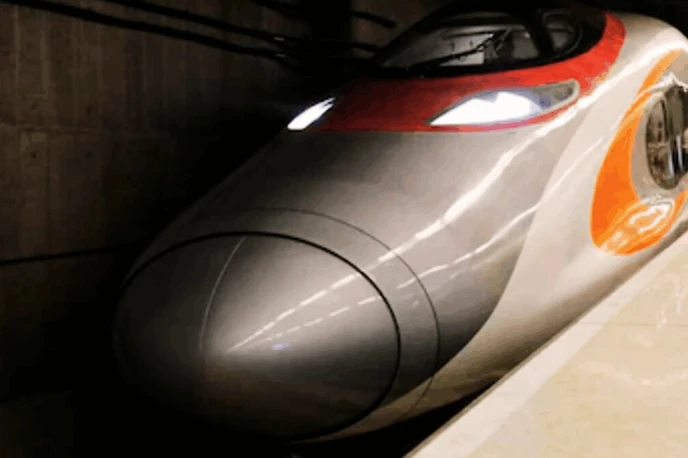
High-speed link: A proposed bullet train will connect Delhi and Siliguri via Lucknow, Varanasi and Patna, cutting travel time from 20 hours to six.
Massive investment: The Rs 1 lakh crore plan includes 102 station upgrades, 538 flyovers, new metro trains, and expanded freight connectivity.
Political backdrop: Centre and state leaders blame past delays on strained relations, promising faster execution under the current ‘double-engine’ government.
Centre greenlights Delhi–Siliguri bullet train in Rs 1 lakh crore Bengal rail push
Union Railway Minister Ashwini Vaishnaw has announced a sweeping rail infrastructure programme for West Bengal, anchored by a proposed bullet train corridor linking Delhi to Siliguri. The route, passing through Lucknow, Varanasi and Patna, would cut travel time from nearly 20 hours to six, making it India’s second high-speed rail project after Mumbai–Ahmedabad. Alongside, 61 approved projects form part of a Rs 1 lakh crore package that includes metro expansion, station modernisation, and a dedicated freight corridor from Dankuni to Surat.
A game-changer for Northeast connectivity and Bengal’s economy
Siliguri’s location as the gateway to the Northeast positions the proposed bullet train to enhance access to neighbouring states and regional hubs. Quicker travel could support tourism to North Bengal and nearby hill destinations, while freight and station upgrades are intended to strengthen trade routes. Officials also expect that improved connectivity within Bengal will aid local economies and employment
From metro upgrades to freight corridors: the full project list
The plan covers 102 Amrit Bharat station redevelopments, 538 flyovers and underpasses, 60 new-generation Kolkata Metro trains over five years, and 60 additional train services statewide. It also includes the east–west dedicated freight corridor linking Dankuni with Surat to boost cargo movement. These measures aim to ease congestion, modernise passenger amenities, and expand both urban and inter-state connectivity
How we got here: from stalled projects to mega announcements
Vaishnaw and Chief Minister Suvendu Adhikari criticised the previous Trinamool government for allegedly stalling key rail and metro works, citing legal disputes like the Chingrighata Metro gap. They argue that improved Centre–state cooperation under the current administration has unlocked approvals and funding. The railway budget for Bengal has risen sharply, and district magistrates have been instructed to expedite land acquisition to avoid past delays
What’s next for Bengal’s high-speed rail dream?
The Delhi–Siliguri bullet train remains at the proposal stage, requiring feasibility studies, detailed project reports, land acquisition and financing before construction. Drawing from the Mumbai–Ahmedabad project’s experience, timelines are uncertain, but the Centre frames it as part of a long-term strategy to extend high-speed rail across India. If realised, it could transform one of the country’s longest travel routes and anchor a broader modernisation of Bengal’s transport network