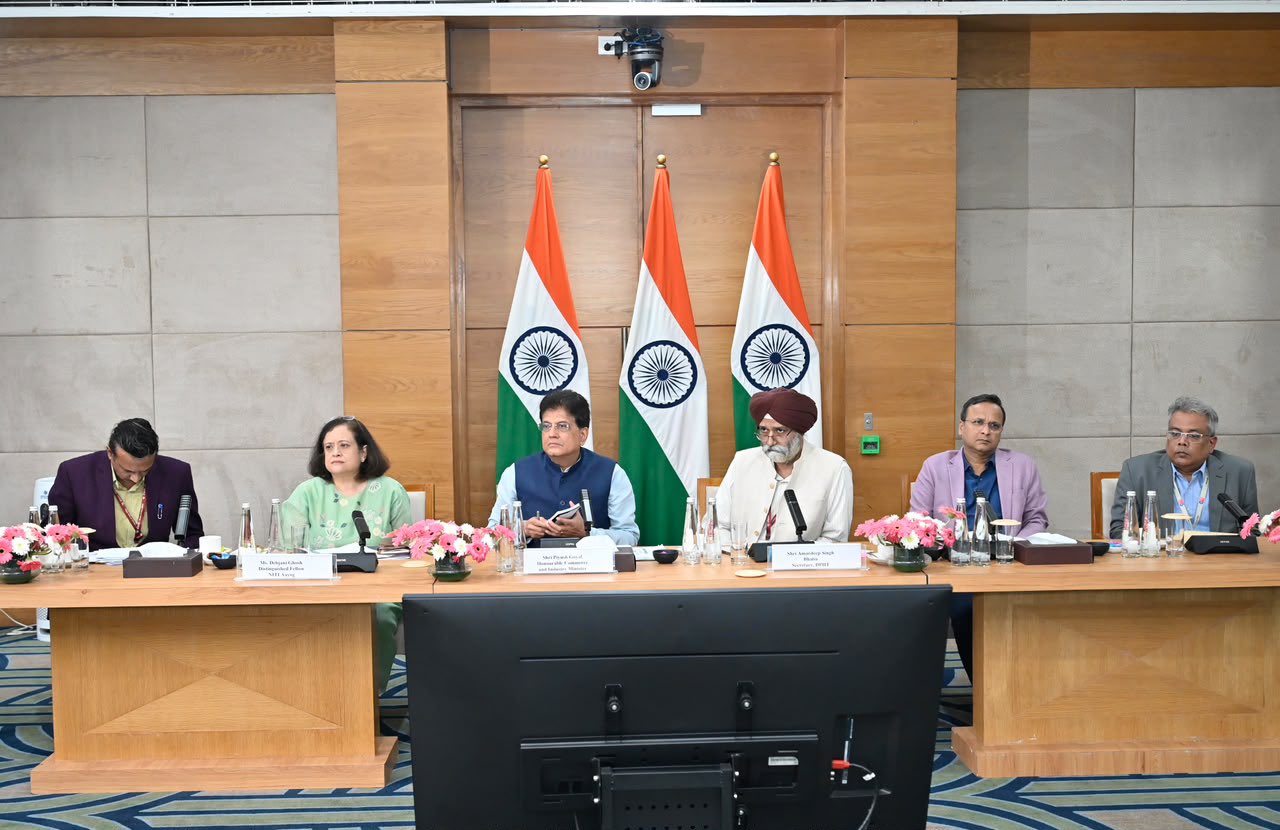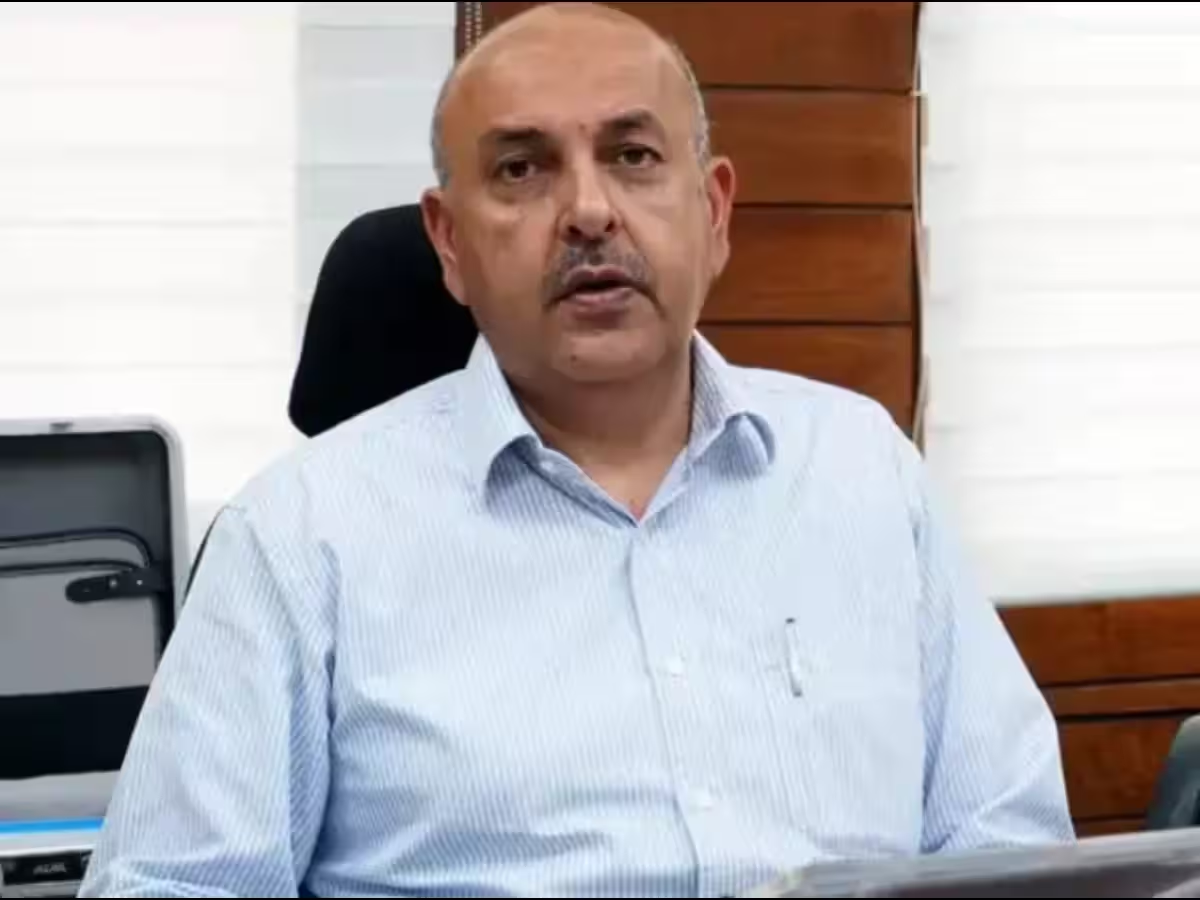
India needs to double the share of grid electricity in its total energy demand to 40 per cent from around 20 per cent over the next five to seven years, while the country prepares for sustained double-digit growth in power demand, Tarun Kapoor, Advisor to the Prime Minister, said on Tuesday at the Bharat Renewable Energy Summit and Expo 2026, being organised at Bharat Mandapam in New Delhi from November 2-5.Kapoor said the shift towards electricity in sectors such as transport and industries that continue to rely heavily on fossil fuels will be crucial to increasing the share of grid electricity in the country’s overall energy consumption.
“Currently, this is only at around 20 per cent, which we have to take to 40 per cent in the next maybe five to seven years, which is not easy,” he said.Kapoor said the shift towards electricity in sectors such as transport and industries that continue to rely heavily on fossil fuels will be crucial to increasing the share of grid electricity in the country’s overall energy consumption.
“Currently, this is only at around 20 per cent, which we have to take to 40 per cent in the next maybe five to seven years, which is not easy,” he said.Kapoor identified developing a robust transmission network and bringing more electricity demand onto the grid as two major challenges for the sector. He said India’s overall energy requirement would continue to rise, with transport, cement and steel among the sectors where greater electrification could drive demand.
He also flagged the possibility of sustained double-digit growth in grid electricity demand, significantly higher than the 3-4 per cent growth recorded in previous years, which had touched 5-7 per cent in some years. While demand growth has already exceeded 10 per cent this year, Kapoor said the increase could be attributed to several factors.“On a sustainable basis now we can expect that the growth could be in double digits,” he said, pointing to the likely shift towards electricity, rising data centre requirements and increasing air-conditioning loads as factors supporting demand.
Kapoor said renewable energy would be critical to meeting this additional requirement sustainably. “This huge extra requirement of power which is going to come can be fulfilled in a sustainable manner only through renewable energy,” he said.
He added that the government was committed to renewable energy, while calling on regulators, ministries, state governments, distribution companies (discoms) and utilities to play a positive role in accelerating its adoption.
Kapoor said renewable energy technologies had matured, storage costs had declined and projects offered long-term price stability, making this a crucial period for the sector.