New Gurugram gets major infrastructure push as 23-km road network near Pataudi Highway promises better connectivity and property growth.
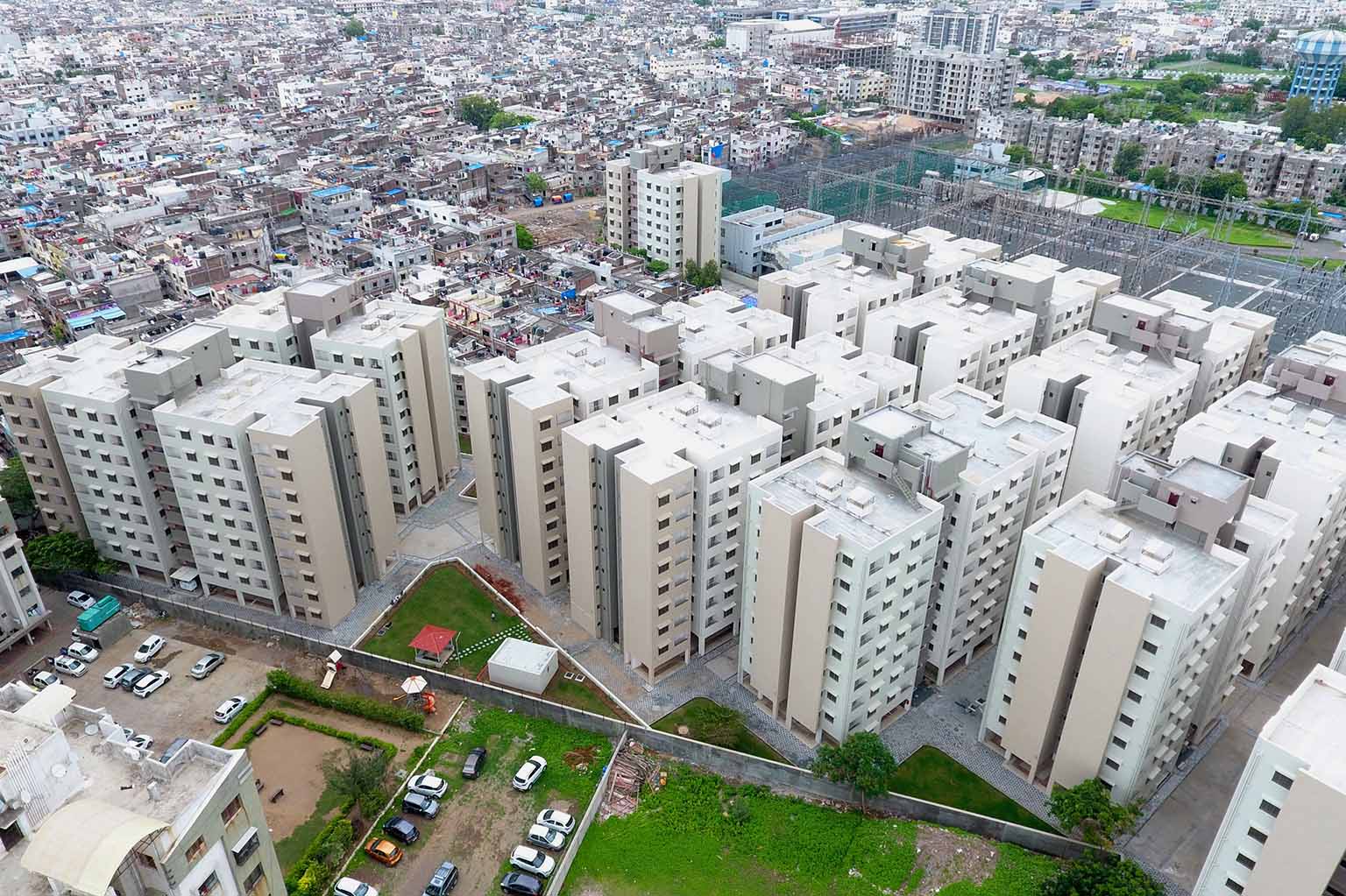
The fast-changing skyline of Gurugram is now moving beyond the city’s established sectors. Fresh road approvals near the Pataudi belt are expected to improve daily travel for thousands of residents living in emerging residential pockets and nearby villages. For buyers exploring properties in New Gurugram, the latest development is being seen as more than just another civic upgrade. It could become the missing link between residential growth and reliable connectivity.
Officials have approved a 23-km rural road network around the Pataudi Highway region, with work expected to improve access between developing suburbs, internal villages, and key urban corridors. The decision comes at a time when demand for properties in New Gurugram has steadily shifted toward sectors along Dwarka Expressway, SPR, and the Pataudi side due to rising prices in core Gurugram.
The move is also expected to support traffic dispersal once the larger Gurugram-Pataudi-Rewari highway becomes fully operational. Over the last two years, residents in sectors near the highway have repeatedly raised concerns over patchy roads, traffic bottlenecks, and poor last-mile access.
Key Facts Table About 23-Km Rural Road Network Approved Near Pataudi Highway
Following are the key facts about 23-Km rural road network approved near Pataudi highway:-
|
Particulars |
Details |
|
Project |
Rural road strengthening and new road development |
|
Total Network Length |
23 kilometres |
|
Location |
Villages and peripheral sectors near Pataudi Highway |
|
Region Benefited |
New Gurugram, Pataudi side, nearby rural belts |
|
Objective |
Better connectivity and smoother internal movement |
|
Expected Impact |
Faster commute, improved real estate accessibility |
|
Linked Corridor |
Gurugram-Pataudi-Rewari Highway |
|
Major Beneficiaries |
Daily commuters, logistics movement, housing projects |
Suggested Read: 9.9 Km Kirti Nagar-Palam Metro Corridor Approved; Will Residents Get a Dwarka-Gurugram Extension?
23-Km Rural Road Network Approved Near Pataudi Highway
The approved network reportedly includes renovation of existing stretches along with construction of four new connecting roads. These routes are expected to improve movement between peripheral residential sectors and the main Pataudi corridor.
While Gurugram has witnessed rapid vertical growth, infrastructure in many outer pockets has struggled to keep pace. Several residential sectors developed over the last decade still depend on narrow village roads for access. During peak hours, stretches near Wazirpur, Farrukhnagar, and surrounding areas often experience congestion and uneven road conditions.
The latest approval attempts to address that gap.
Urban planners believe such smaller but strategically important projects often create a bigger difference on the ground than headline mega projects. Wider roads and smoother village connectivity can reduce travel stress for residents travelling toward NH-48, Dwarka Expressway, or industrial zones.
The timing is important because the larger NH-352W Gurugram-Pataudi-Rewari Highway is also nearing completion after multiple delays. The 45-46 km corridor includes underpasses, flyovers, culverts, and improved traffic movement infrastructure.
Suggested Read: Dwarka Expressway Massive Extension Planned to Finally Fix Delhi-Gurugram Traffic Jams
Why This Matters for New Gurugram
The western side of Gurugram has quietly transformed into one of NCR’s busiest residential expansion zones. Sectors near Dwarka Expressway and Pataudi Road have attracted both end-users and investors due to comparatively lower entry prices.
However, road quality and internal connectivity remained a weak point.
For many homebuyers searching for flats in New Gurugram, travel time between housing societies and arterial roads became a deciding factor. Better internal roads can directly improve the livability of these sectors.
Local brokers say improved road access usually triggers faster occupancy in under-construction housing projects. Rental demand also tends to rise once commuting becomes easier.
Expected Benefits of the Road Upgrade
-
Better connectivity between villages and urban sectors
-
Reduced congestion on smaller internal stretches
-
Easier access toward NH-48 and Dwarka Expressway
-
Improved movement for commercial and logistics vehicles
-
Faster development of peripheral residential pockets
-
Better emergency and civic access in rural belts
Real Estate Impact Around Pataudi and New Gurugram
Infrastructure announcements in Gurugram often influence property sentiment almost immediately. The Pataudi side has already seen rising interest because of comparatively affordable land parcels and upcoming highway connectivity.
Developers are actively marketing township projects across the belt, especially toward sectors linked with Dwarka Expressway and NH-352W.
Here is how prices have broadly moved in recent years:
|
Area |
Average Price Trend |
Market Movement |
|
Flats in New Gurugram |
₹9,000–₹14,500 per sq ft |
Strong residential demand |
|
₹4,000–₹7,500 per sq ft |
Growing investor interest |
|
|
Dwarka Expressway sectors |
₹12,000–₹18,000 per sq ft |
Sharp appreciation |
|
SPR-connected sectors |
₹11,000–₹16,000 per sq ft |
High-end housing growth |
Industry observers believe improved road infrastructure could gradually push more residential activity toward outer Gurugram over the next few years.
Bigger Connectivity: 23-Km Rural Road Network Approved Near Pataudi Highway
The 23-km road approval may look modest on paper, but it fits into a much larger infrastructure transformation happening across Gurugram’s peripheral zones.
Between the Dwarka Expressway expansion, ongoing highway upgrades, flyover construction, and industrial growth near Manesar, the city’s outer edge is no longer being viewed as “far away.” It is increasingly becoming the next major residential growth belt.
For residents already living in these sectors, though, the immediate expectation is simpler – smoother roads, shorter travel times, and less daily frustration.
And in a city where traffic often shapes property value, that alone can change the future of an entire corridor.