Regime change in West Bengal seems to have rekindled hopes of an industrial renaissance in the state. How difficult is this?
First, some data. Going by NITI Aayog’s 2025 report, ‘Macro and Fiscal Landscape for West Bengal’, its share in national GDP declined from 6.8% to 5.8% between 1990-91 and 2021-22. Its per-capita income in 2021-22 was 20% below national average
Surprisingly, this was not on the back of sluggish manufacturing. In the decade between 2013-14 and 2022-23, ‘real’ – gross state value added at constant 2011-12 prices – manufacturing growth was 8.1%, higher than the national average of 5.5%. This may not quite square up with the perception of a state in industrial decline, low per-capita income and large outward migration.
That most manufacturing growth lies in informal micro-enterprises holds a clue to this puzzle. Bengal houses over 16% of India’s unorganised industries. There is, however, a relative dearth of big formal manufacturing and associated better-paying formal blue-collar jobs.
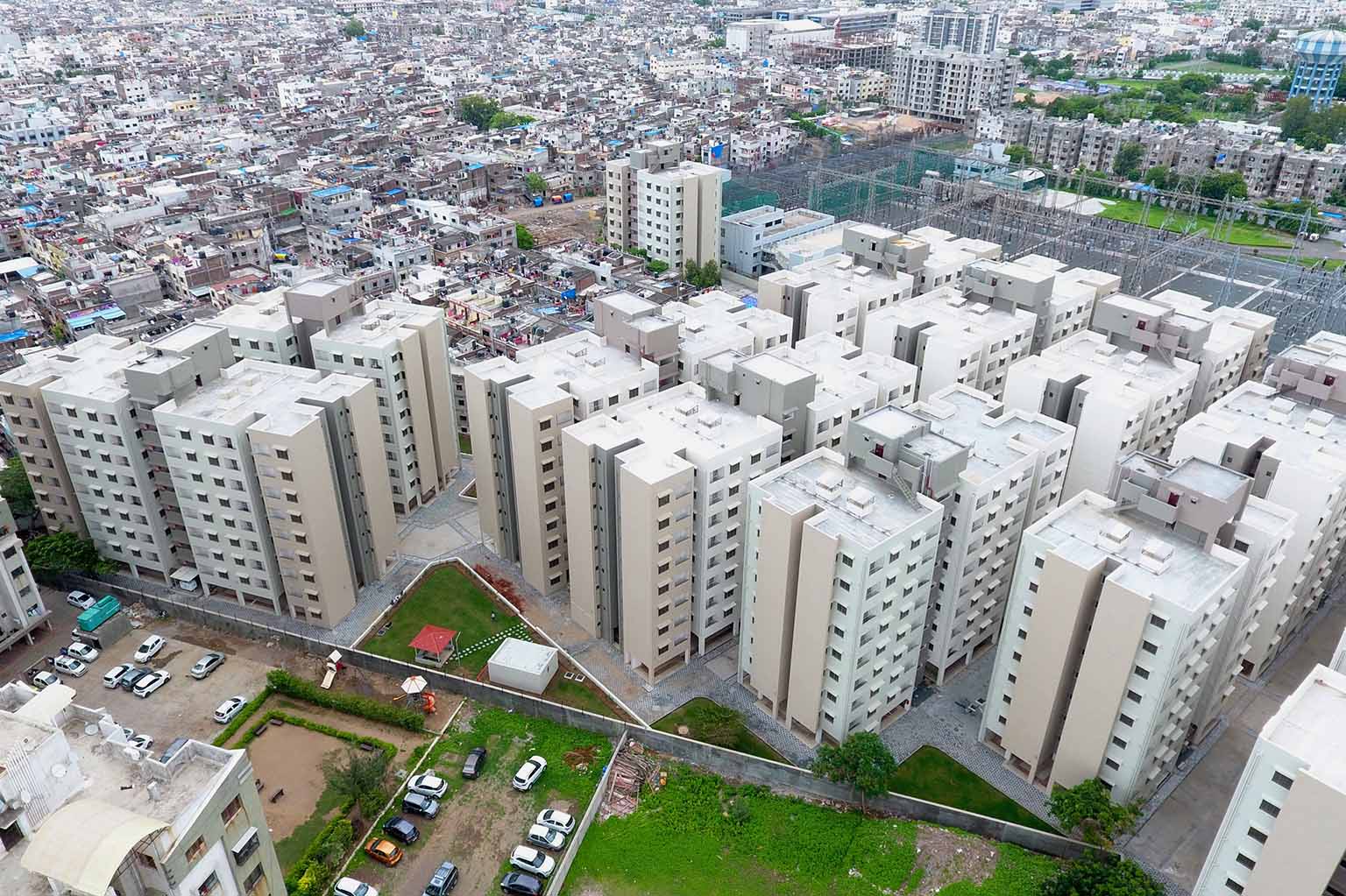
So, what thwarted big industry from investing in West Bengal? The biggest constraint is probably land. According to human
development ministry, the state’s population density is an estimated 1,106 per sq km compared to a national average of 415. The consequence: extreme fragmentation of landholdings.